Video Translator
Make educational video understandable in another language.
This independent prototype explores how translation and dubbing can make an existing lesson accessible to more learners.

At a glance
Prototype- Built for
- Learners who can't follow a lesson in its original language
- Input
- A lesson video available on YouTube in the learner's country
- Output
- A dubbed version with translated captions
- Status
- Independent project. Not a product.
Why
A good lesson shouldn't stop at a language border.
Free educational video exists in enormous quantity in a few languages. For a learner in another language, it might as well not exist.
This started as a course project and became a working prototype: take a lesson, transcribe the speech, translate it, generate a dubbed track, and attach captions. The engineering is the smaller part. Keeping terminology consistent and timing aligned is most of the work.
It's published here for what it shows about how I build: bounded scope and automated end to end.
The sample
Original beside dubbed, with captions.

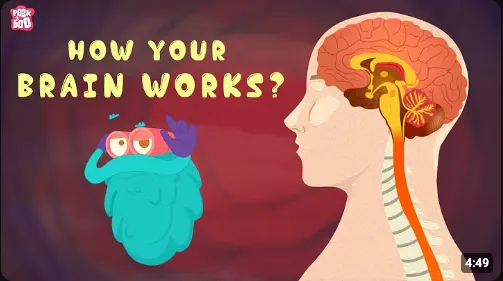 Original · English
Transcript excerpt
“Yes, thank you, Doctor.”
“Oh no, little Kitty, don’t thank me; thank my brain instead. Hello, friends! Yes, you heard that right. The reason we are able to do all these amazing things in our lives is…”
 Dubbed · Arabic
Transcript excerpt
«نعم، شكرًا يا دكتور.»
«أوه لا يا صغيري كيتي، لا تشكرني؛ بل اشكر دماغي. مرحبًا يا أصدقائي! نعم، لقد سمعتم جيدًا. إن السبب في قدرتنا على القيام بكل هذه الأشياء الرائعة في حياتنا ي»
How it works
Four steps, start to finish, without a hand in the loop.
Fetch the lesson
A YouTube lesson available in the learner's country. The link is recorded with the sample.
Transcribe
Speech to text in the original language.
Translate
Uses a different approach depending on the availability of models to accurately translate each language.
Dub
Generate the voice track from the translated text.
Languages
Chosen with the audience in mind.
These are the languages most spoken by girls and women in countries where education isn't widely available to them.
- French
- Arabic
- Persian
- Pashto
- Hausa

Limits
What a prototype means here.
One lesson at a time.
There's no queue, no batch mode, and no comparison of speed or cost against other methods. Those claims need measurements that haven't been taken.
Voice quality varies.
Generated speech is better in some languages than others. Lip movement isn't matched. The dubbed track is for understanding, not for passing as the original.
Machine translation, unreviewed.
No one has checked the translations. They are for understanding a lesson that would otherwise be inaccessible, not for citation or study material.
Ownership and what's next
Independent, and staying that way for now.
This is my project, built on my own time. The next steps are more full samples and a clearer record of which languages hold up. If an educational organization wants to take the pattern further, that's a conversation.
Working on something with a human check in the middle? I'd like to hear about it.
Free introductory conversation. No preparation required.
Book a 30-minute call